Meal estimate
624 kcal
Estimated meal
GutLens by DJ Applications
Track meals, symptoms, and patterns in one calm place, so your next decision is based on context.
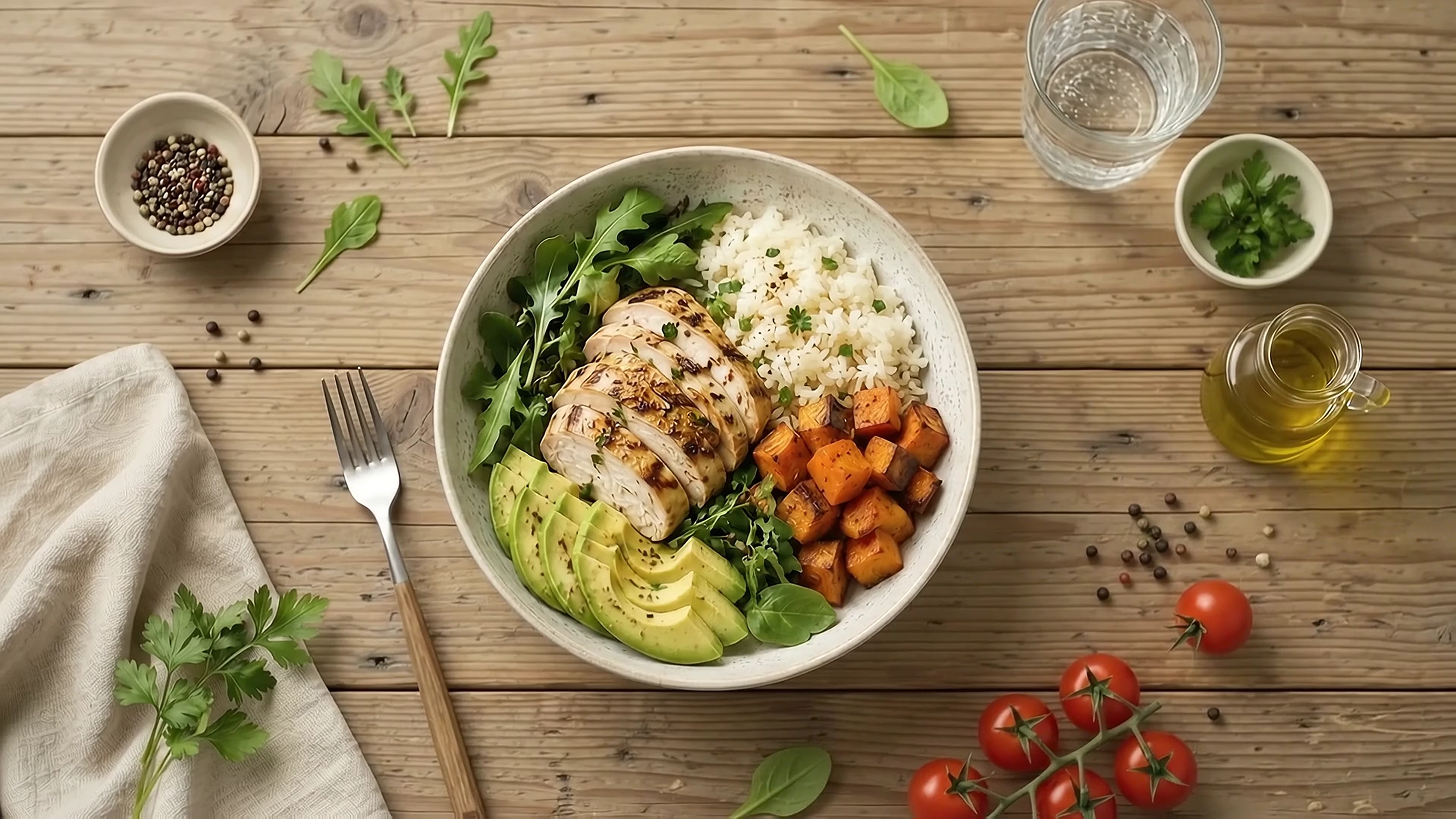
As you scroll, a magnifying glass moves over a chicken and avocado bowl while GutLens surfaces an estimated meal calorie count, a macro breakdown, a FODMAP screening result noting sorbitol as a common IBS trigger, and a reviewable pattern linking avocado to recent bloating entries.
GutLens brings food, symptoms, and context together without turning your day into a spreadsheet.
Capture meals and symptoms in the way that fits the moment.
See the timing, ingredients, and signals that are easy to miss.
Keep estimated results visible, explainable, and open to review.
Use better context for your next choice, without diagnosis claims.
Three habits make the difference between logging data and understanding it.
Type a sentence, scan a barcode, search a product, or review a photo. GutLens parses natural language and reads packaging so logging fits the moment instead of interrupting it.
Link a symptom to a meal directly, or let GutLens infer a likely window from timing. Every link is labeled direct or inferred, so you always know what was confirmed and what was estimated.
Correlations are shown as an exposed rate against your own baseline, with a confidence tier attached, never a single number pretending to be certain.
Every screen is backed by a real pipeline, not a black box.
Describe a meal in a sentence, search a product, scan a barcode, or snap a photo. Ambiguous matches are flagged for a quick check instead of logged silently.
A photo estimates gram ranges for what is on the plate. Nutrition is never guessed from the image, it is calculated from verified per-gram data once you confirm the portion.
Daily totals for calories, protein, carbs, fat, fiber, sugar, and sodium. Trigger-food ranking needs repeated occurrences and a real severity signal, not one bad day.
A conversational assistant with real tools: it searches food and nutrition sources, checks FODMAP and safety status, and confirms portions with you before logging anything.
Two things have to be true at once: useful signal, and no overstated certainty.
Nutrition comes from USDA, Open Food Facts, and similar sources, or a deterministic per-gram calculation. Never an estimate invented by a language model.
Photo and text matches only auto-accept above a high confidence threshold. Everything else is queued for you to confirm.
“Estimated match” and “Portion assumed” style labels appear right where the number does, not buried in a settings page.
Patterns are associations, shown with their confidence and limitations, never proof of causation. GutLens does not replace a doctor or registered dietitian.
GutLens does not collect location, device or ad identifiers, or behavioral analytics, and does not sell or profile your data.
Barcode and food-name searches send only the query text or barcode to services like USDA and Open Food Facts, never your name, email, or health data.
Export everything in a portable format, or delete your account permanently, any time, from Settings.
No. GutLens shows patterns and estimates so you have more context for a conversation with a healthcare provider or dietitian. It doesn't diagnose IBS, food intolerance, or any other condition.
GutLens screens ingredient names, additive tags, and known FODMAP-relevant compounds like sorbitol. It's an ingredient-level screen, not a lab-verified serving-size classification, and low-confidence results are labeled “Not enough information” instead of guessed.
GutLens compares how often a symptom follows a food to your own baseline rate on days without that food. A pattern needs a meaningful run of exposures and a real gap above baseline before it shows medium or high confidence, and it is always labeled a temporal association, not proof of causation.
No. A photo estimates portions, gram ranges, never calories directly. Nutrition is always calculated from verified per-gram data, and matches below a confidence threshold are queued for you to confirm or edit before anything is saved.
Meals, symptoms, and preferences stay tied to your account only. Food lookups send a search term or barcode to services like USDA and Open Food Facts, never your name, email, or health data. Export everything or delete your account permanently from Settings, any time.
No. GutLens is for tracking and context, not treatment. Always talk to a qualified healthcare provider or registered dietitian before making dietary changes, especially during elimination or reintroduction phases.
Log the next meal, and let the pattern show itself.
Open the app